7 Common Electrical Problems You May Face
Electricity is the invisible lifeblood of our modern homes, powering our mornings with fresh coffee and keeping our workspaces brightly lit. Because it operates silently behind the walls, it is incredibly easy to take our complex electrical system for granted—until something inevitably goes wrong. Minor glitches can quickly escalate from mild daily inconveniences to major safety hazards. Recognizing the early warning signs of electrical failure is absolutely crucial for protecting your property and your loved ones. While it might be tempting to grab a toolkit and watch an online tutorial, electrical work is incredibly dangerous. That is why relying on a qualified electrician is always the smartest, safest choice. In this post, we will walk you through seven of the most frequent electrical issues homeowners encounter, helping you understand when it is time to call for professional assistance.
1. Frequent Circuit Breaker Tripping
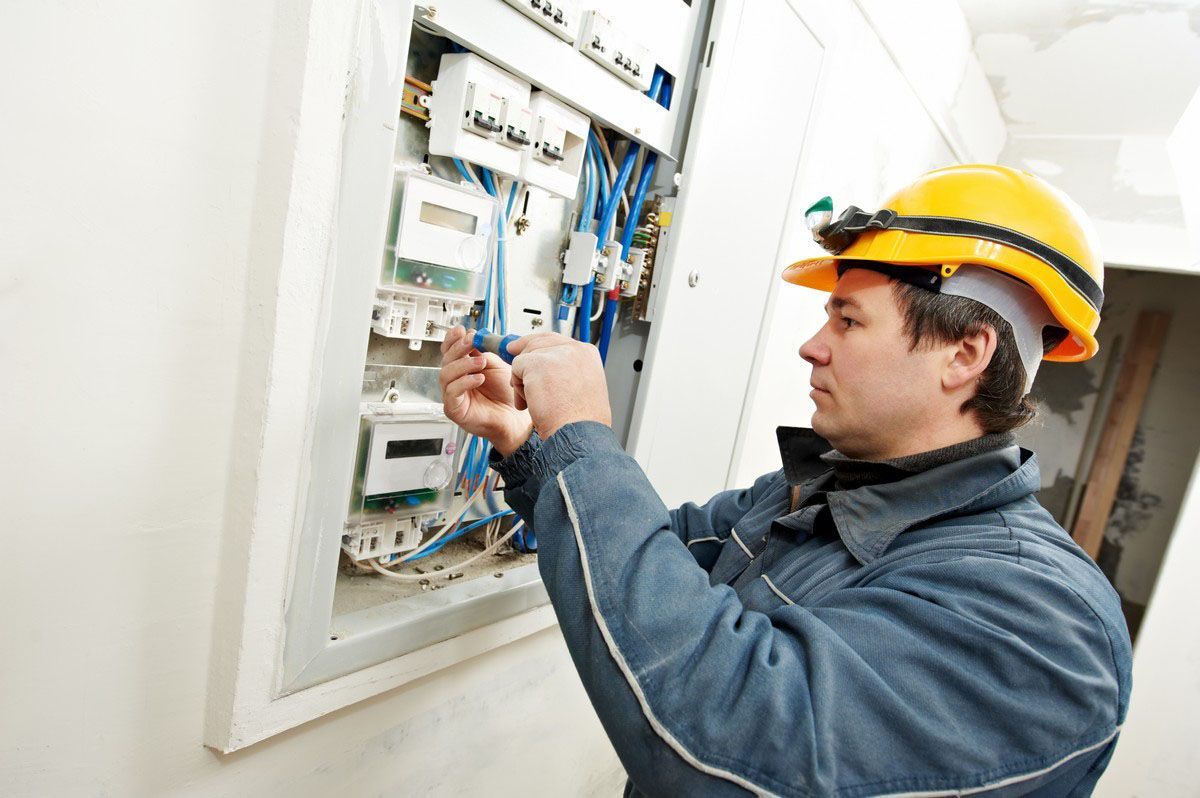
Your home's circuit breakers are vital safety devices. When a circuit becomes overloaded with too much current, the breaker trips to cut off the electricity, preventing overheating and potential fires. If your breaker trips occasionally when you run the microwave and the vacuum cleaner simultaneously, it is likely a simple, temporary overload. However, if the exact same breaker trips repeatedly under normal, everyday use, it strongly indicates a much deeper issue. It could be a short circuit, a dangerous ground fault, or simply a worn-out breaker switch that needs replacement. Continually resetting a tripping breaker without addressing the root cause is a recipe for disaster. A licensed electrician can accurately diagnose whether you need a dedicated circuit installed or if there is a dangerous short hiding directly behind your drywall.
2. Flickering or Dimming Lights
Have you ever noticed your living room lights suddenly dimming when the air conditioner kicks on, or a bedside lamp flickering inexplicably? Flickering lights are rarely a normal occurrence; they are almost always a sign of a poor connection or an overloaded electrical network. If a single lamp is flickering, the fix might be as simple as tightening a loose bulb or replacing a frayed cord. But if entire rooms dim when a major household appliance cycles on, your electrical system is heavily struggling to meet the sudden power demand. This constant voltage drop can actually damage sensitive electronics over time. Loose wiring in your ceiling fixtures or the main panel is another common culprit and a significant fire risk. Do not ignore these fluctuations, as they signal that the electrical flow is dangerously compromised.
3. Sparking or Dead Receptacles
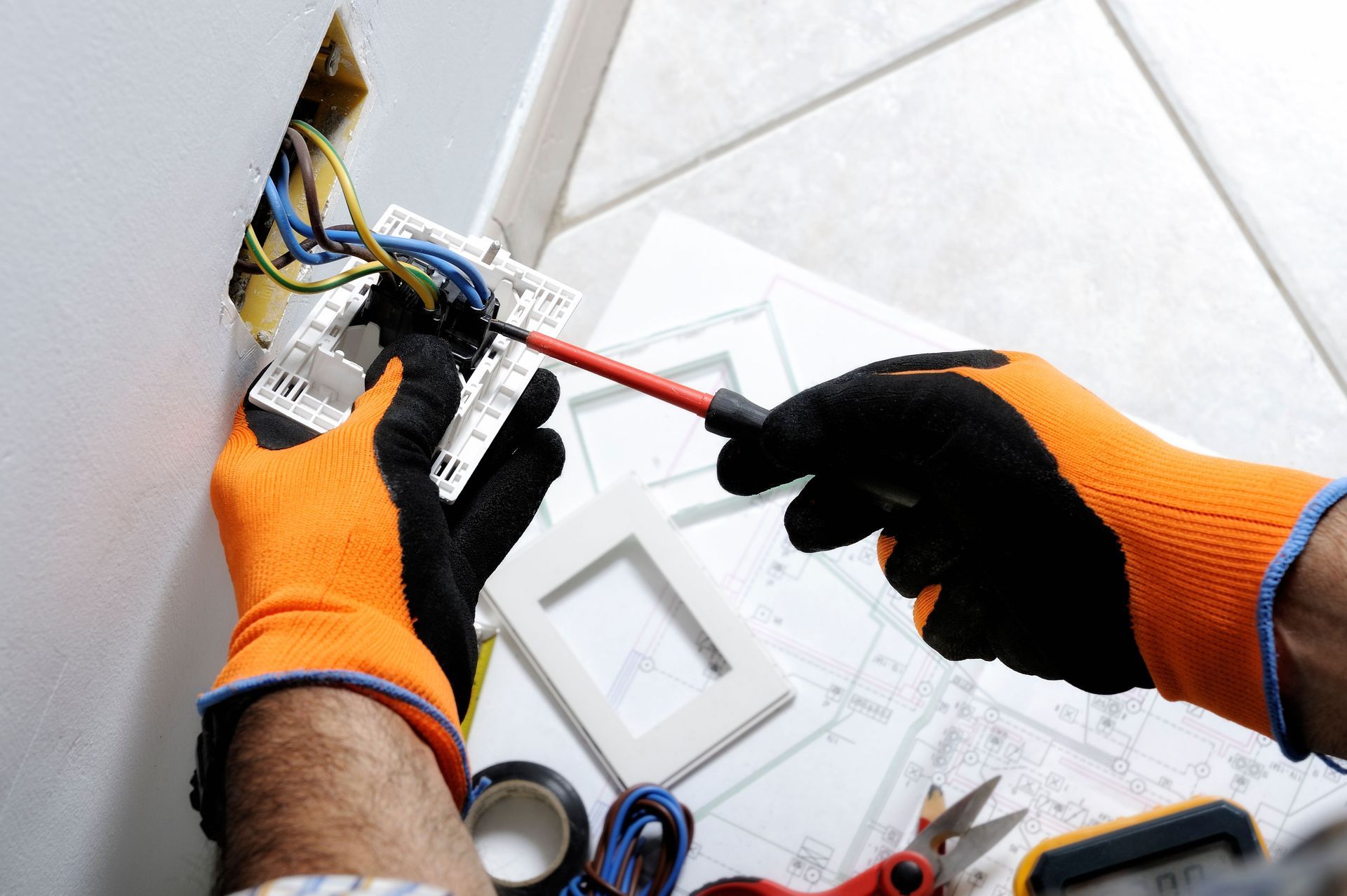
Wall outlets, also known as receptacles, see an incredible amount of wear and tear daily. Over the years, the internal metal contact points can loosen, meaning they no longer grip appliance plugs securely. If an outlet is completely dead, it might simply be a tripped GFCI or a blown fuse, but it could also indicate a loose wire connection inside the wall. Far more alarming is an outlet that visibly sparks when used, or one with obvious brown scorch marks around the slots. A tiny spark can sometimes be normal, but large yellow sparks or popping sounds suggest electrical arcing. Arcing creates immense heat that can easily ignite surrounding wood and drywall insulation. Do not use a damaged outlet. Call an electrician immediately to have it safely replaced and the interior wiring thoroughly inspected.
4. Outdated or Underpowered Panels
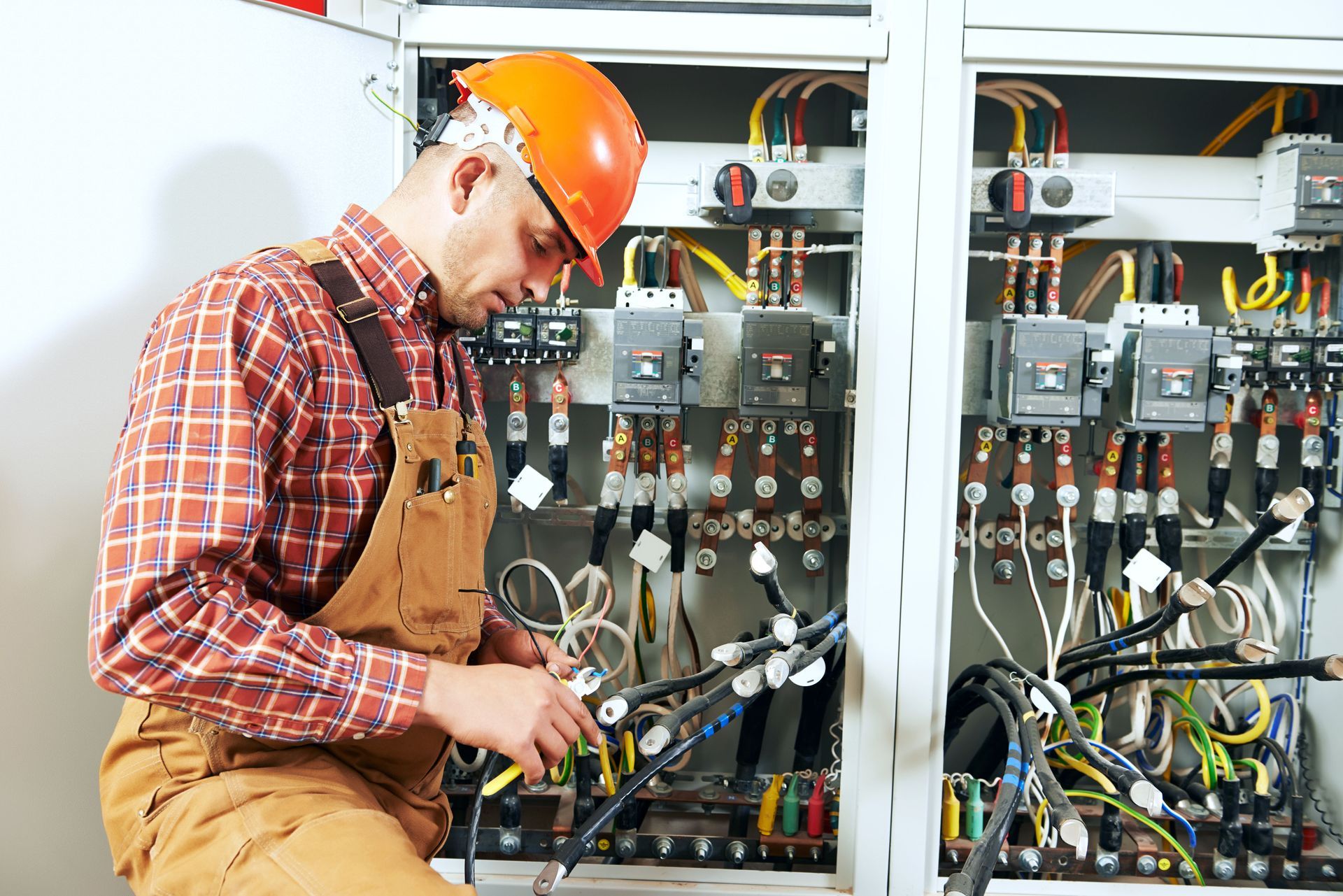
Your electrical panel acts as the main control center for your entire home. In many historic or mid-century properties, the original panels were simply not built to handle the sheer volume of modern electronics, chargers, and smart appliances we rely on today. According to This Old House, older properties are often underpowered at 60 or 100 amps, compared to the 200-amp standard of newer builds. This severe lack of capacity means you might constantly trip breakers, or even worse, rely on outdated equipment that fails to trip when it absolutely should. Upgrading your service panel ensures a steady, reliable power supply and dramatically reduces your overall risk of electrical fire. This is a highly complex job that strictly requires proper permits, local code compliance, and a master electrician.
5. Premature Lightbulb Burnouts
It is incredibly frustrating to install brand-new, expensive lightbulbs only to find they burn out completely just a few weeks later. While you might occasionally get a bad batch from the store, a persistent problem strongly points to a flaw in your home’s electrical infrastructure. Using a bulb with a higher wattage than the specific fixture is rated for creates excessive heat, which melts socket wiring and significantly shortens the bulb's lifespan. Another frequent cause is excessive physical vibration, particularly in wobbly ceiling fans or fixtures situated beneath busy upstairs hallways. Additionally, if your home's overall electrical voltage is running too high, bulbs across the entire house will burn too bright and die remarkably fast. An experienced electrician can test your home’s voltage levels and closely inspect individual fixtures to pinpoint the exact reason behind your constantly dying bulbs.
6. Warm Switches and Burning Odors
No standard wall switch or outlet in your home should ever feel noticeably hot to the touch. If a plastic faceplate is warm, visibly vibrating, or emitting a low buzzing sound, it means the electricity is meeting unnatural resistance, which actively generates heat. If left completely unchecked, this trapped heat will eventually melt the internal plastic components and spark a wall fire. Similarly, if you ever detect a fishy, metallic, or burning plastic odor hovering near an outlet or your main breaker box, you must act with supreme urgency. This specific, unpleasant smell is often the distinct scent of melting wire insulation. Turn off the power to that specific area at the main breaker only if it is completely safe to do so, and contact an emergency electrician right away.
7. Damaged or Exposed Wiring
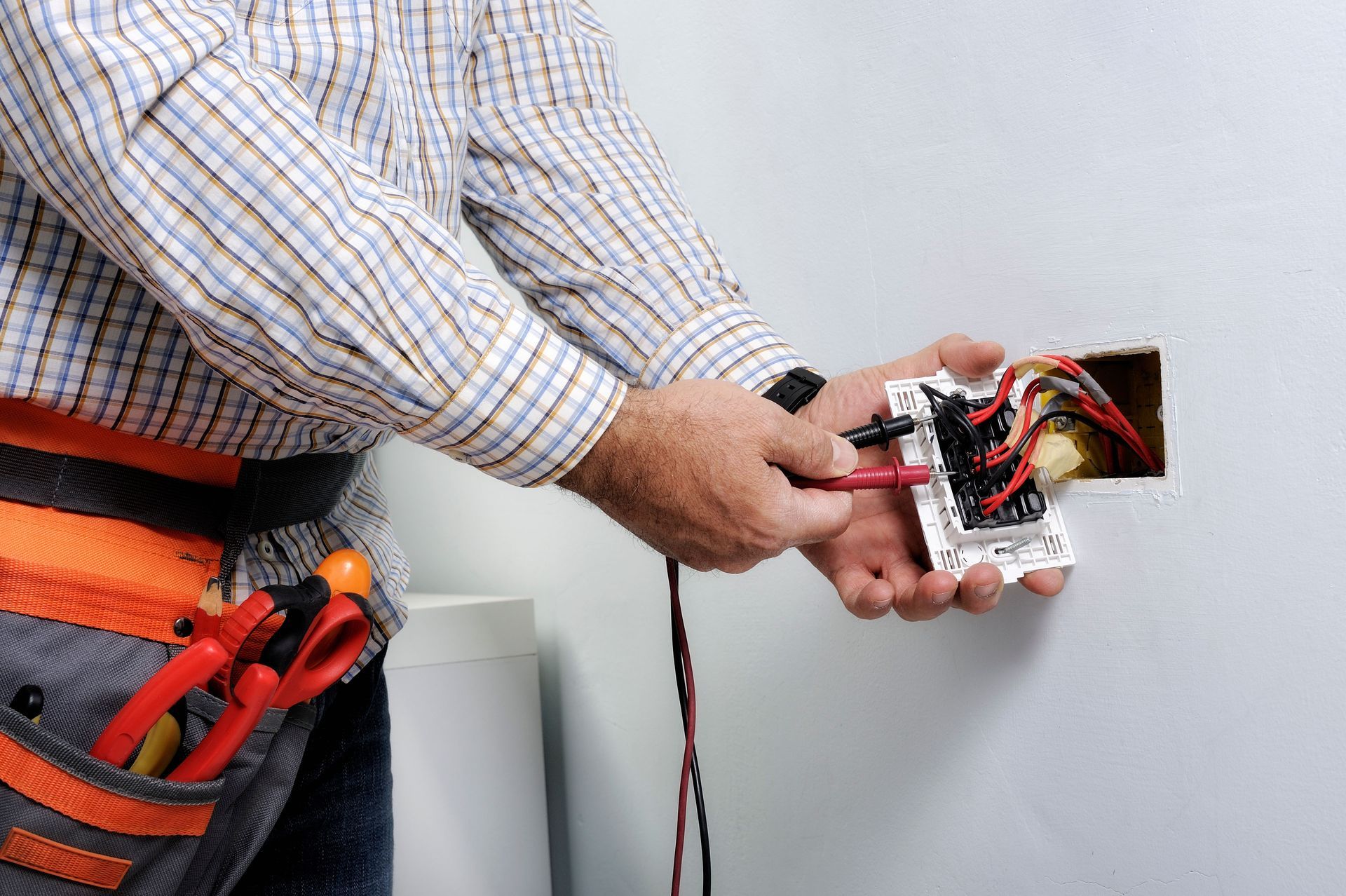
Residential wiring can sustain serious damage in a wide variety of unexpected ways. Common pests like mice and squirrels love to chew on the soft plastic insulation covering your wires, leaving live copper fully exposed in your dark attic or inside your walls. Amateur DIY home renovations can also frequently result in vital wires being pinched, stretched, or poorly spliced together with nothing but cheap, unapproved electrical tape. Even the simple passage of time severely degrades wiring; older homes might still contain archaic knob-and-tube wiring, which entirely lacks a crucial grounding conductor and features brittle insulation that flakes off. Exposed live wires are a severe shock and catastrophic fire hazard. Upgrading old wiring or professionally repairing rodent damage is invasive work, but it is an absolute non-negotiable necessity for your property's overall safety.
Electrical problems are significantly more than just a temporary inconvenience; they are a vital matter of ongoing home safety. From annoying flickering lights and stubborn, constantly tripping breakers to archaic, undersized fuse boxes, these warning signs are essentially your home’s desperate way of asking for professional help. Ignoring these seemingly minor issues can ultimately lead to devastating real-world consequences, including extensive property fire damage and the potential for serious physical injury.
While some basic home maintenance tasks are perfectly fine for a casual weekend DIY project, household electricity demands a profound level of respect and strict technical expertise. When you inevitably encounter any of these common issues, you absolutely need a local partner you can genuinely trust. Our dedicated team is fully equipped to handle everything from minor outlet repairs to complex whole-home rewiring projects. Do not wait until a spark becomes a blaze. Reach out to a skilled electrician at Highgate Electric today to schedule an expert inspection and keep your home's electrical system running safely and efficiently.